In this guide
There are hundreds of Fujifilm recipes online.
I have saved more than I actually use.
And after trying different looks on my Fujifilm cameras, I have come to the conclusion that I do not want a huge library.
I would rather know a small number of recipes really well.
Right now, these are the Fujifilm recipes I actually use, test regularly, or keep on my Fujifilm X-E5 because they serve a clear purpose.
Some are my own.
Some were created by other photographers.
And not all of them are equally permanent.
That is intentional.
I want this list to reflect what I genuinely use rather than become another article with twenty recipes I barely know.
Quick answer: my favorite Fujifilm recipes
These are the recipes currently saved on my X-E5:
| Recipe | Best for | Look | Status |
|---|---|---|---|
| Cinematic Gold | Everyday, travel, warm light | Warm, nostalgic | My current default |
| Mountain Reality | Landscapes, travel, natural color | Balanced, natural | Trusted |
| Cuban Negative | Street, strong color, sunlight | Stylized, colorful | Actively testing |
| Documentary Monochrome | Street, people, contrast | Black and white | Actively testing |
| Solaris | Street, travel, warm color | Characterful, warm | Still evaluating |
If I had to reduce everything even further, I would probably keep:
Cinematic Gold
Mountain Reality
Documentary Monochrome
Those three already give me a warm look, a natural look and a black-and-white option.
How many recipes do you actually need? I do not think you need to fill every custom slot on your Fujifilm camera. A few clearly different recipes are usually more useful than a large collection you barely know. Read how many Fujifilm recipes I think you need
1. Cinematic Gold — the recipe I use most
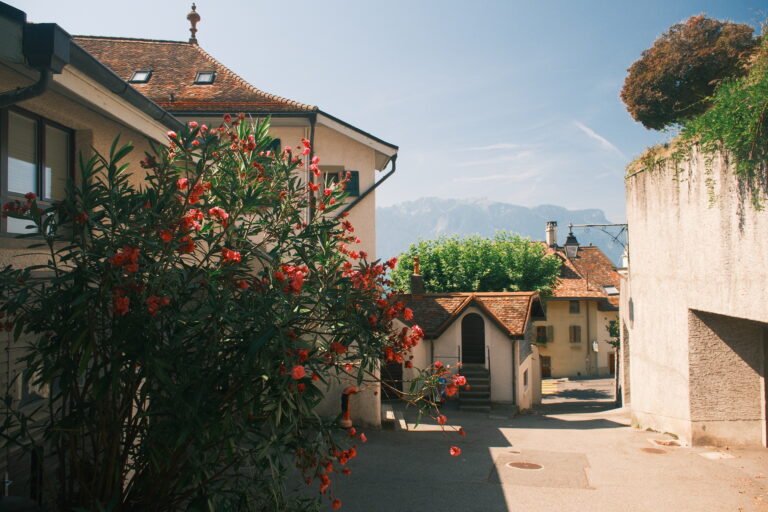
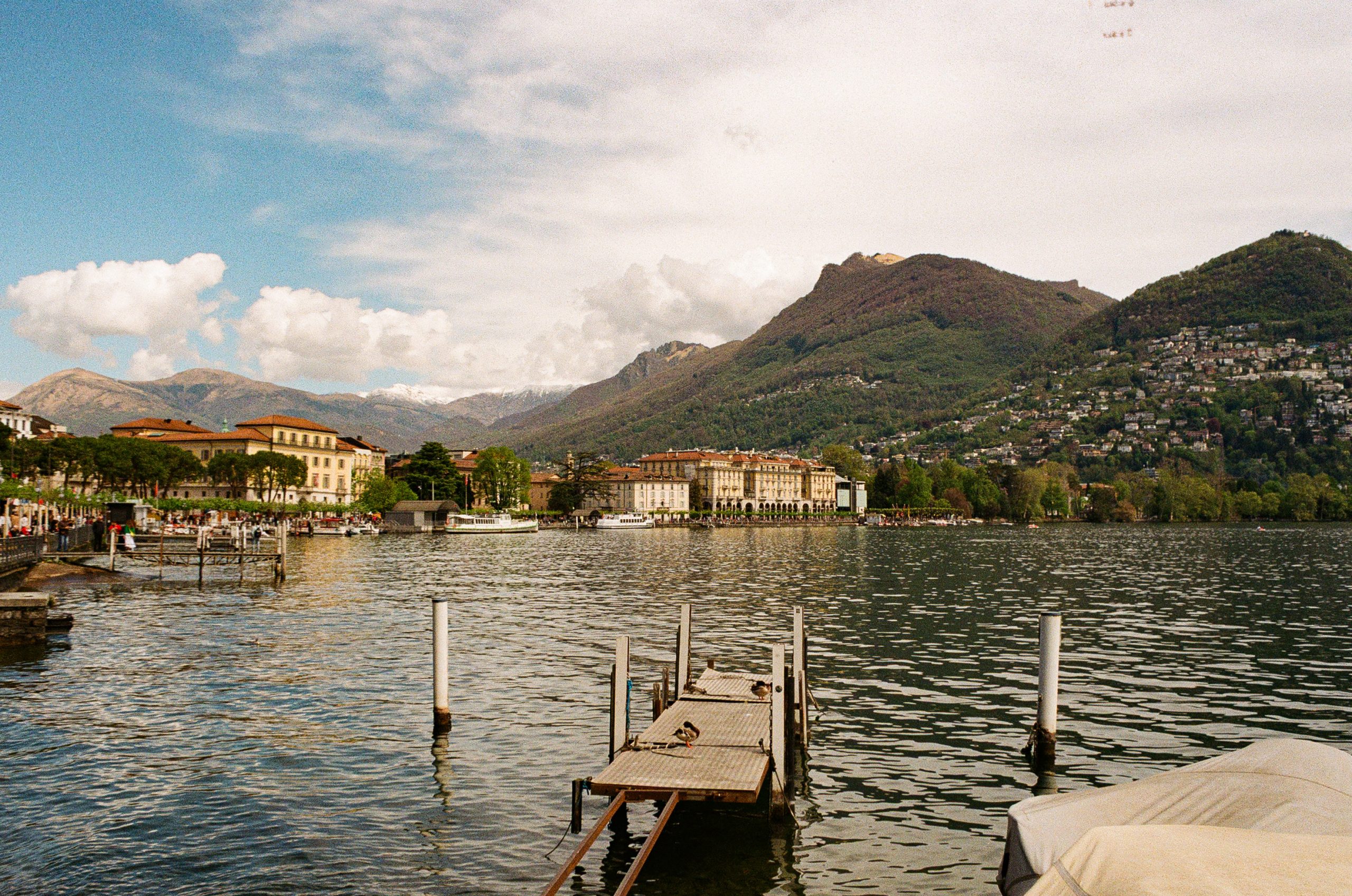
Cinematic Gold is currently my default recipe.
It is the recipe I tend to start with when I pick up the camera without a very specific plan.
I like it because it adds warmth and atmosphere without immediately making every photograph feel extreme.
It works especially well for the kind of photography I enjoy most:
- travel
- streets
- architecture
- everyday moments
- late-afternoon light
- older buildings
- quieter scenes
You can find the full recipe here:
Cinematic Gold Fujifilm Recipe



Why I keep returning to it
I like photographs that feel slightly warmer and more nostalgic.
Cinematic Gold fits that naturally.
It can make an ordinary street feel a little more atmospheric without requiring me to open Lightroom afterwards.
That is exactly what I want from a recipe.
Not something that completely transforms reality.
Something that gives the JPEG a direction.
Where I use it most
I especially like Cinematic Gold in:
- late afternoon
- golden hour
- warm architecture
- cafés
- city streets
- travel photography
I am more careful with it in very harsh midday sunlight.
Warmth that looks beautiful later in the day can sometimes become too much when the light is already yellow and strong.
I explore that more in my sunny-weather comparison:
Best Fujifilm Recipes for Sunny Weather
2. Mountain Reality — when I want the scene to stay natural
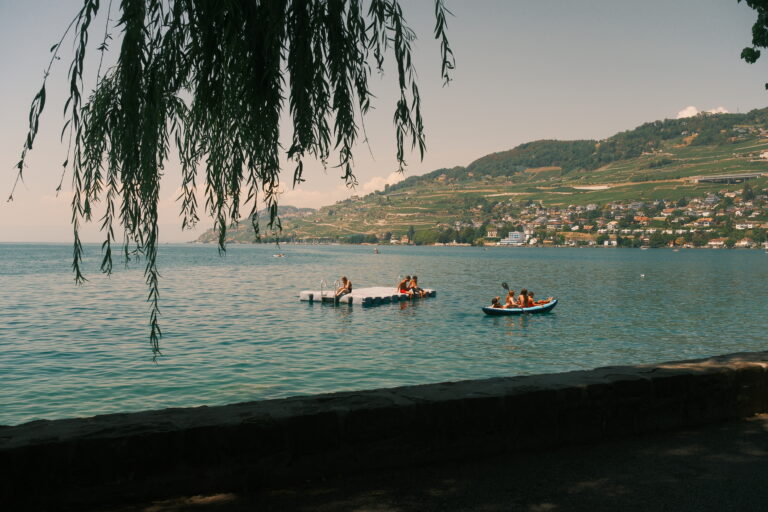
Mountain Reality is the recipe I trust when I do not want the recipe to become the main subject.
It is much more neutral than Cinematic Gold.
That makes it especially useful for:
- mountains
- lakes
- greenery
- landscapes
- bright daylight
- general travel photography
You can find the full settings here:
Mountain Reality Fujifilm Recipe


Why I think every setup needs one natural recipe
A very stylized recipe can be fun.
But I do not always want a strong look.
Sometimes the actual colors of the place are already enough.
A blue alpine lake does not necessarily need to look more cinematic.
A mountain view does not always need extra warmth.
That is where Mountain Reality is useful.
It gives me an option that feels more honest to what I actually saw.
Photographing Switzerland? Mountain Reality became especially useful to me while photographing mountains, lakes and travel scenes in Switzerland. I also wrote a separate guide to the recipes I use there. See my Fujifilm recipes for Switzerland
3. Cuban Negative — my more stylized color option
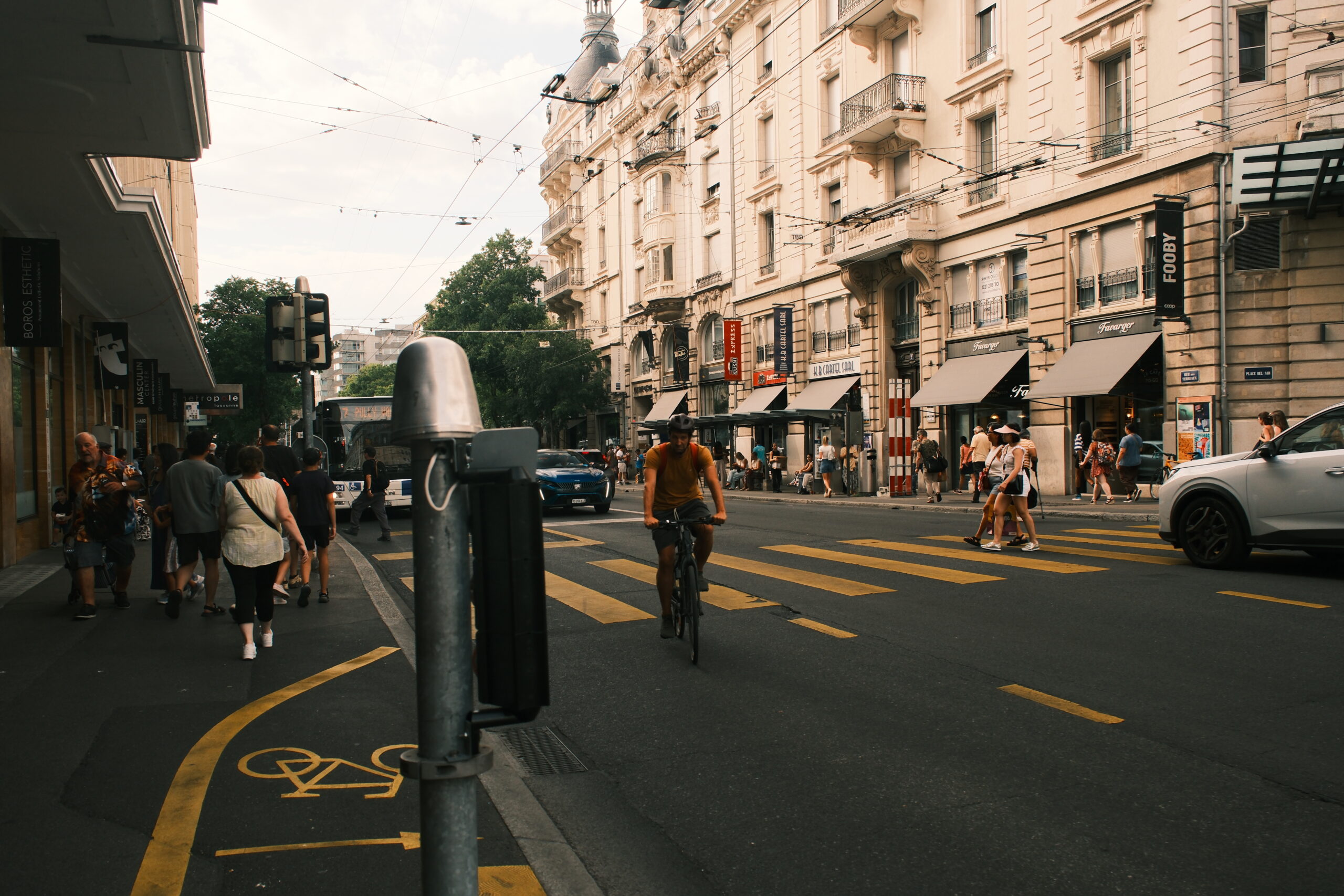
Cuban Negative is a recipe I am currently using more deliberately.
It gives me a stronger color option next to Cinematic Gold and Mountain Reality.
Where Mountain Reality tries to stay natural, Cuban Negative has much more character.
I am particularly interested in it for:
- street photography
- colorful architecture
- hard sunlight
- signs
- shadows
- urban scenes
You can find the recipe here:
Cuban Negative Fujifilm Recipe

Why it is still in the testing phase
I do not want to call something a favorite simply because I like a few photos made with it.
I want to know whether I naturally choose it.
That is a different question.
A recipe can produce beautiful results but still not fit the way I photograph.
So with Cuban Negative, I am paying attention to whether it earns a permanent place next to Cinematic Gold and Mountain Reality.
At the moment, it is doing enough to stay on the camera.
Where I like it most
So far, I am most interested in Cuban Negative when there is already strong visual structure in the scene.
For example:
- hard shadows
- colorful walls
- bright signs
- contrast between sunlight and shade
That is also why I use it as one of my main color options for street photography.
Best Fujifilm Recipes for Street Photography
4. Documentary Monochrome — my black-and-white option
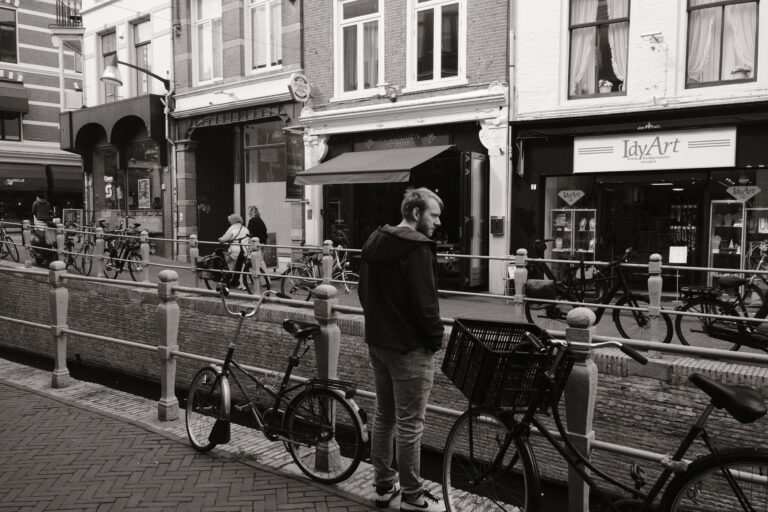
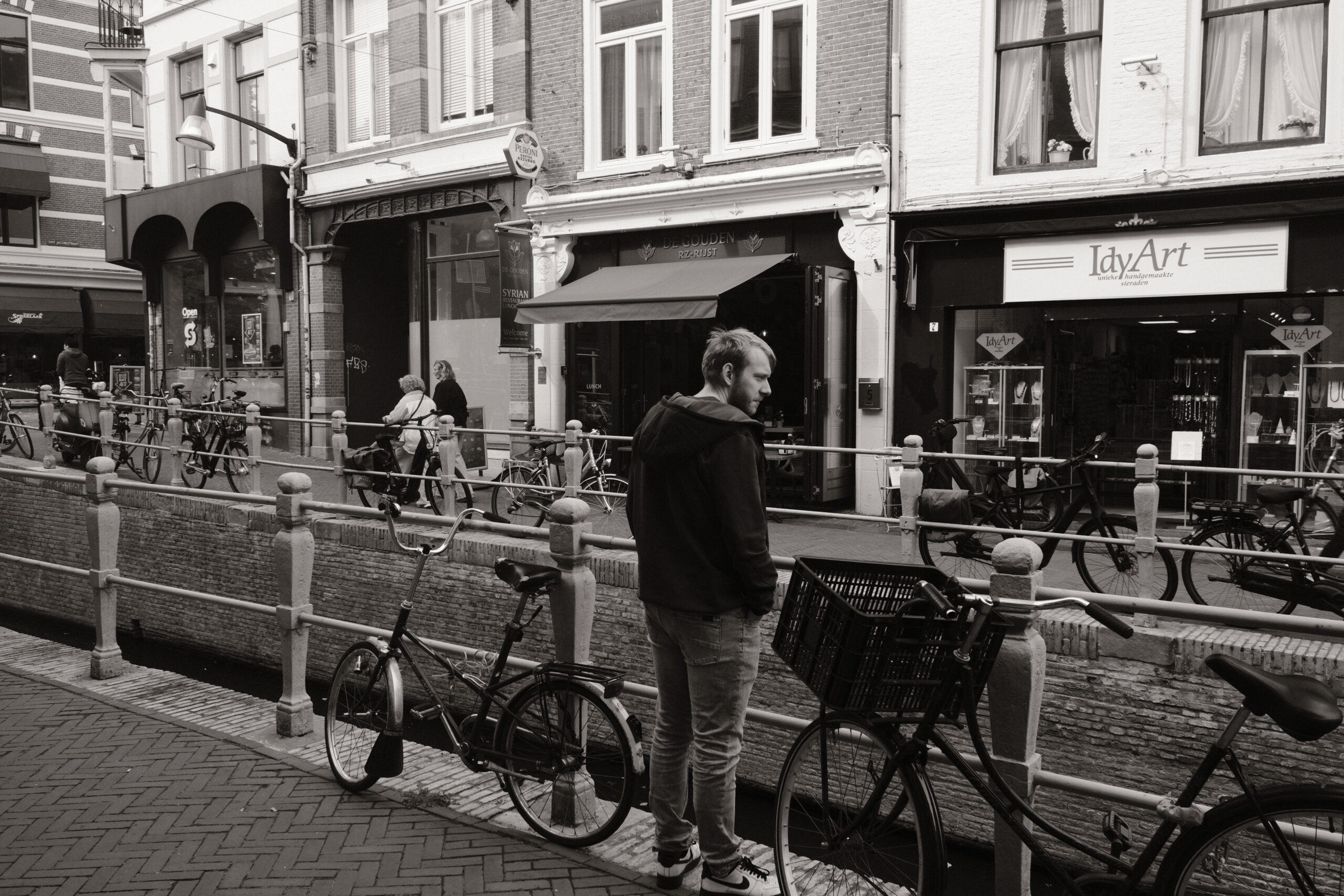
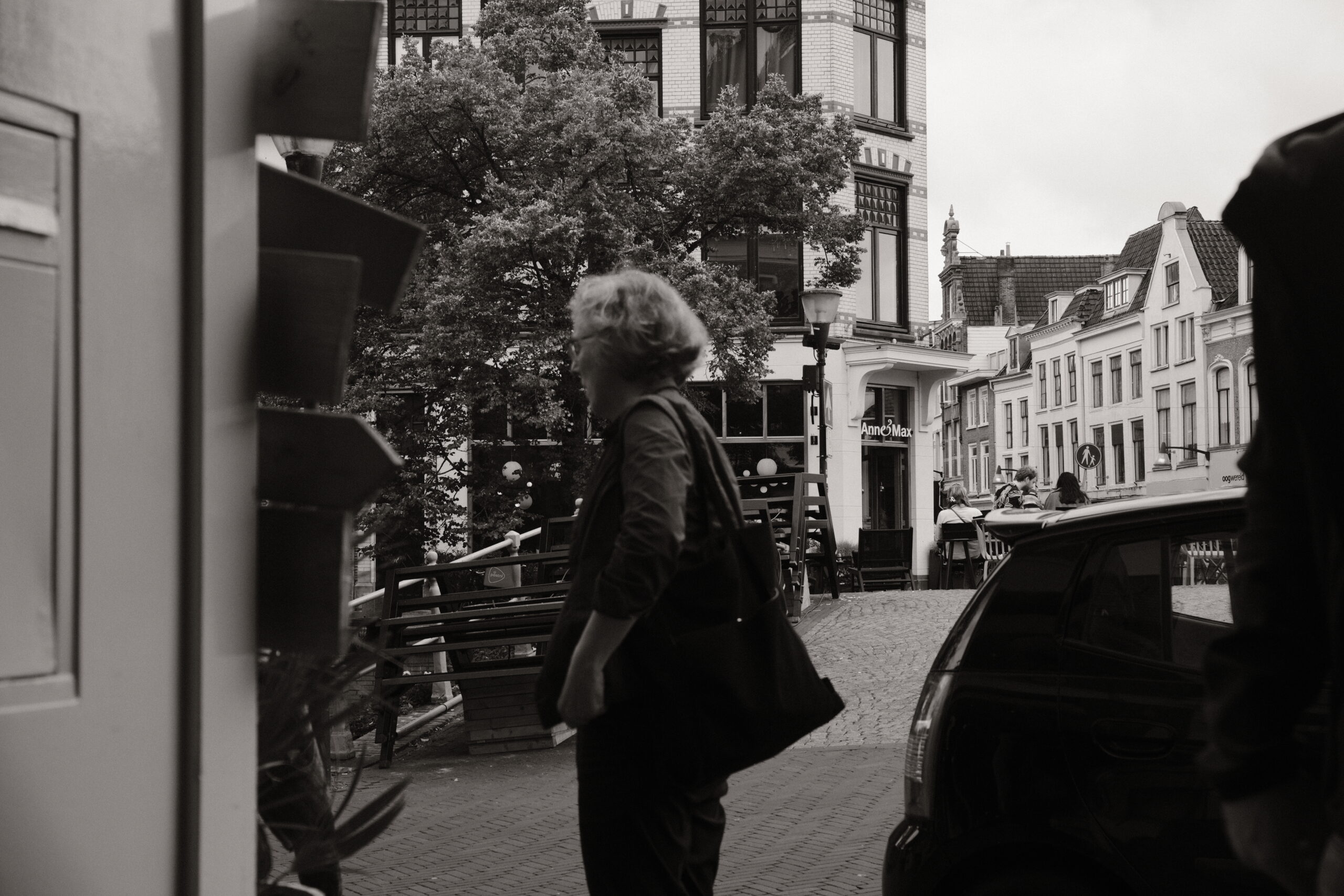
My current black-and-white recipe is Documentary Monochrome by Kevin Mullins.
This is not my recipe.
The original can be found here:
Documentary Monochrome by Kevin Mullins
I like keeping one monochrome preset on the camera because black and white changes the way I look at a scene.
Without color, I start paying more attention to:
- shadows
- faces
- geometry
- reflections
- texture
- contrast
That is particularly useful for street photography.

Why I do not need several black-and-white recipes
I could easily save three or four different monochrome recipes.
But I do not think that would improve my photography.
At the moment, I would rather use one black-and-white recipe often enough that I understand what it does.
Documentary Monochrome currently fills that role.
I am still testing it in different types of light, but it gives me a genuinely different option from all my color recipes.
And that makes it valuable.
5. Solaris — still earning its place
Solaris is another recipe I am currently testing.
It was created by Film Sim Recipes, and the original is available here:
I like trying recipes made by other photographers because they sometimes make choices I would never have made myself.
That can be useful.
It forces me to look at color differently.
But I am also careful not to confuse novelty with quality.
A new recipe always feels interesting at first.
The real test is whether I still choose it after that novelty disappears.
What I am testing with Solaris
I am currently paying attention to how Solaris behaves in:
- direct sun
- blue skies
- street photography
- greenery
- architecture
- skin
- late-afternoon light
I want to know where it clearly beats the recipes I already have.
If I cannot explain why I would choose Solaris over Cinematic Gold or Cuban Negative, then eventually one of them probably does not need a permanent slot.
That is how I think about recipes now.
Not as collectibles.
As tools that need a reason to exist.
Recipes are more than film simulations: A Fujifilm recipe combines the base film simulation with white balance, highlights, shadows, grain, color and other JPEG settings. That is why two recipes using the same simulation can still look completely different. Learn the difference between simulations and recipes
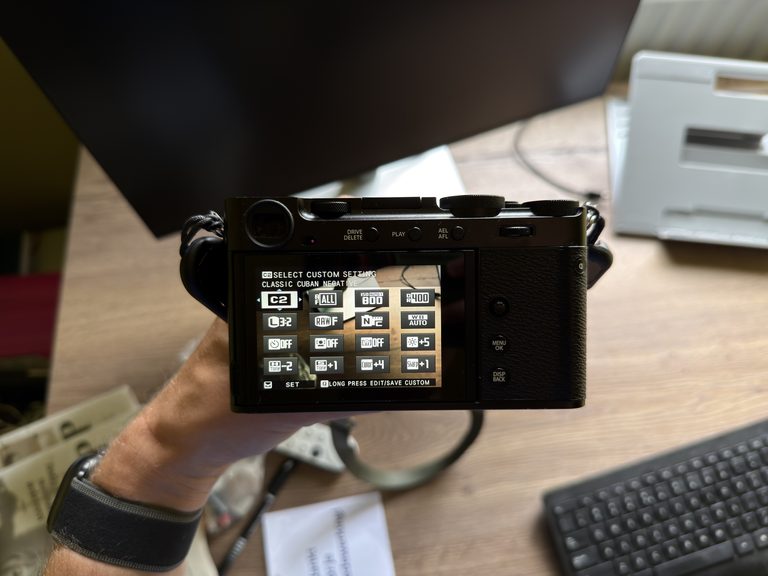
My current custom slots on the X-E5
My current Fujifilm X-E5 setup includes:
- Cinematic Gold
- Cuban Negative
- Solaris
- Documentary Monochrome
- Mountain Reality
I almost always shoot through one of these saved C presets.
My default is normally Cinematic Gold.
If the scene needs more natural color, I switch to Mountain Reality.
If I want stronger color or street character, I look at Cuban Negative or Solaris.
If color becomes distracting, I switch to Documentary Monochrome.
That system gives me enough variety without creating decision fatigue.
You can see the rest of my camera setup here:
My Fujifilm X-E5 JPEG Settings
How I choose between recipes
I usually do not choose based on the subject alone.
I choose based on a combination of:
- light
- color
- mood
- environment
For example, the exact same street could make me choose three different recipes.
Bright daylight
I am more likely to use:
Mountain Reality
or
Cuban Negative
depending on whether I want natural or stylized color.
Warm afternoon light
This is where I often choose:
Cinematic Gold
Grey, flat weather
I might choose:
Documentary Monochrome
or another recipe that gives flatter light more character.
I compare some of those options here:
Best Fujifilm Recipes for Cloudy Weather
Street photography
My current choices are usually:
Documentary Monochrome for black and white
Cuban Negative for stronger color
Cinematic Gold for warmer scenes
Different light needs different choices: I do not think there is one Fujifilm recipe that works perfectly everywhere. I choose recipes based more on the light and mood than on a fixed ranking. See how I choose recipes in sunny weather
Why I stopped collecting recipes
When I first became interested in Fujifilm recipes, collecting them was part of the fun.
A new recipe feels like getting a new film stock.
You save it.
Take a few photos.
Then find another.
And another.
Eventually I realized that I had recipes saved that I barely understood.
I could not tell you:
- when they worked best
- what they did to skin
- how they behaved in shade
- whether I liked their greens
- whether I preferred them in harsh sunlight
- what made them better than another recipe
At that point, the collection was not helping me.
It was just creating more choices.
The best recipe is the one you understand
I think familiarity matters more than having the technically “best” settings.
If I know exactly how Cinematic Gold behaves, I can anticipate the JPEG before I take the photo.
That is useful.
If I have just downloaded a recipe with thirty beautiful example photos but have never used it myself, I do not really know anything about it yet.
The best recipes become predictable.
You know:
- where they work
- where they fail
- when to switch
- what exposure compensation usually helps
- what colors they exaggerate
That is when the recipe becomes part of your photography.
Do you need these exact recipes?
No.
This is my current set.
Your photography may need something completely different.
Someone who photographs portraits may care much more about skin tones.
A night photographer may want recipes that work under artificial light.
Someone who shoots architecture might prefer cleaner, more neutral color.
The useful part is not copying my exact five recipes.
It is building a small group where every recipe has a clear reason to exist.
A simple Fujifilm recipe setup
If you are starting from scratch, I would create three categories.
1. A natural recipe
Something flexible enough for general photography.
For me:
Mountain Reality
2. A stylized color recipe
Something clearly different from natural color.
For me:
Cinematic Gold or Cuban Negative
3. A black-and-white recipe
Something that changes the way you look at the scene entirely.
For me:
Documentary Monochrome
That is already enough.
You can add more later when you discover a genuine gap.
What makes me remove a recipe
A recipe usually disappears from my camera when:
- I never select it
- it is too similar to another recipe
- it only works in extremely specific situations
- I dislike the skin tones
- I do not like the way it handles greenery
- I constantly need to correct the JPEG
- I cannot explain why I would choose it
That last one is probably the most important.
If two recipes occupy the same role, I do not need both.
I still shoot RAW
Even though this entire workflow is built around recipes, I still save RAW files.
My X-E5 is normally set to Fine JPEG + uncompressed RAW.
The JPEG is the file I want.
The RAW is the backup.
If the recipe worked, I normally have no reason to rebuild the image from scratch.
If something went wrong, the RAW gives me another option.
I explain that workflow in more detail here:
Fujifilm JPEG vs RAW: Do You Still Need Lightroom?
My current favorite
If you forced me to choose only one right now, it would be:
Cinematic Gold.
It is simply the recipe I naturally use most.
But that does not mean I think it is the universal best Fujifilm recipe.
For landscapes, I often prefer Mountain Reality.
For black and white, I use Documentary Monochrome.
For certain street scenes, Cuban Negative can be more interesting.
That is exactly why I keep a small collection.
I do not want one recipe to do everything.
I want a few recipes that do clearly different things.
Final thoughts
The best Fujifilm recipes are not necessarily the ones with the most dramatic sample images.
For me, the best ones are the recipes I actually remember to use.
Right now that means:
Cinematic Gold for warmth and everyday photography.
Mountain Reality when I want more natural color.
Cuban Negative when I want stronger color and character.
Documentary Monochrome when color is getting in the way.
And Solaris as a recipe that is still proving whether it deserves a permanent place.
This list will probably change.
I actually want it to.
Because if my favorite recipes never changed, it would probably mean I had stopped testing them.
Frequently asked questions