In this guide
When I first started getting into Fujifilm recipes, I assumed I would eventually fill every custom slot on my camera.
That never really happened.
I have tried plenty of different looks, saved different settings and experimented with recipes for travel, street photography and changing weather, but in practice I keep coming back to only a few.
That is why I think the better question is not:
How many Fujifilm recipes can you save?
It is:
How many Fujifilm recipes do you actually need?
For me, the answer is usually two or three that I know really well.
That gives me enough variation without turning every photo into a decision about which look to choose.
Quick answer
You do not need to fill every Fujifilm custom slot.
For most photographers, I think two to four recipes is enough:
- one natural or everyday recipe
- one warmer or more stylized recipe
- one black-and-white recipe
- optionally one extra recipe for a specific use case
The more important thing is knowing when each recipe works.
A recipe you understand in different light is much more useful than seven recipes you barely use.
New to Fujifilm recipes? If you are still figuring out how recipes work, how to save them and how to switch between them on your camera, I have a complete beginner guide. Learn how to use Fujifilm recipes
I only really use a few Fujifilm recipes
I like experimenting with recipes, but I do not want to think about settings every time I take my camera out.
Most of the time I want the camera to feel simple.
I want to look at the light, choose a recipe that fits the scene and start shooting.
That is why I usually end up using the same small group of recipes again and again.
At the moment, the recipes I keep coming back to are mostly:
- Cinematic Gold
- Mountain Reality
- Old Black & White
I also use and test others, but those are the kinds of looks I naturally return to.
That is very different from downloading twenty recipes and trying to remember what every custom slot is supposed to do.
Why too many recipes can become distracting
Fujifilm recipes are supposed to make photography more enjoyable.
But if you save too many, they can start doing the opposite.
You arrive somewhere, see good light and instead of taking the photo, you start thinking:
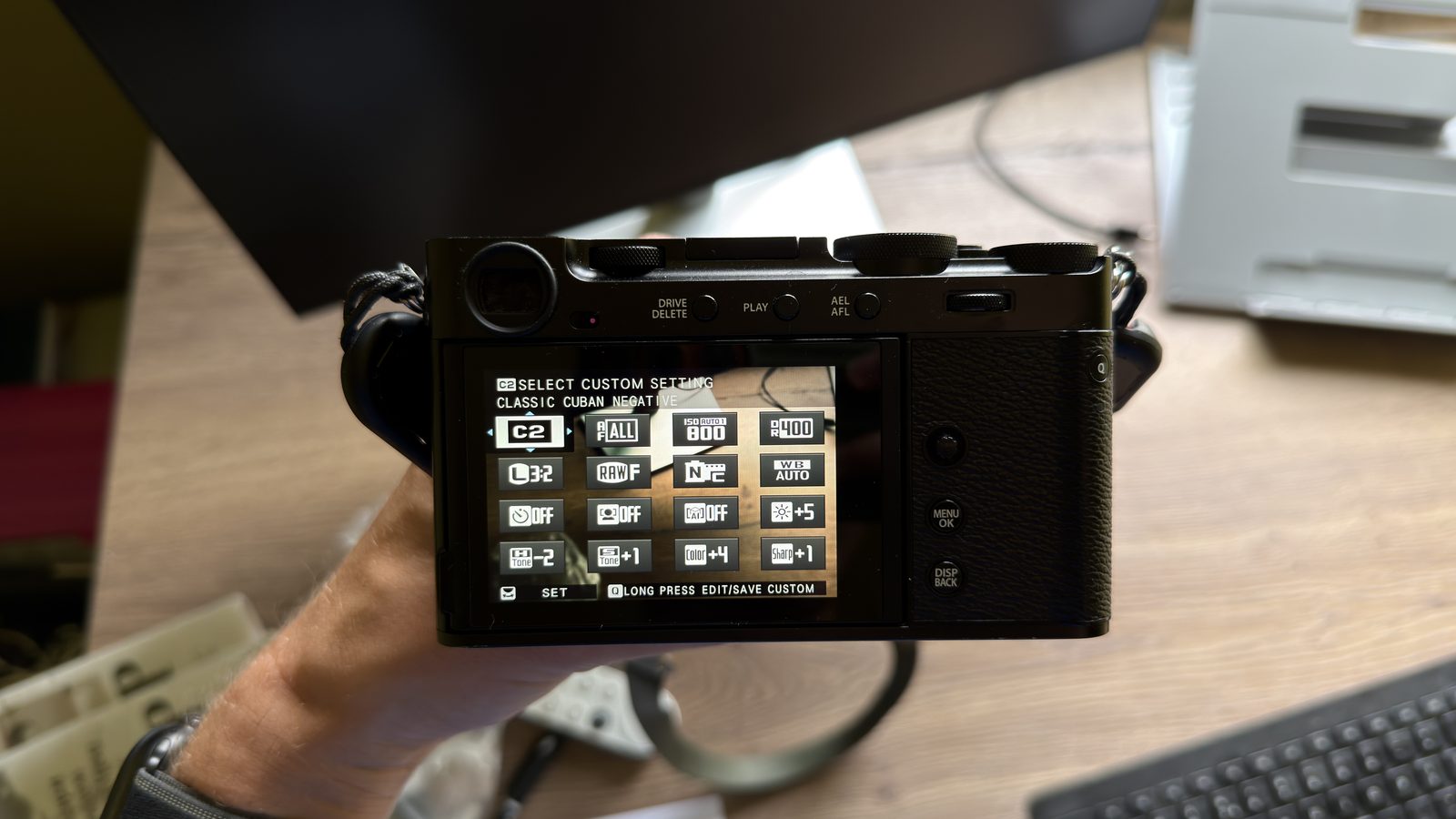
- Should I use C2 or C4?
- Was this the recipe with the warmer white balance?
- Which one had softer shadows?
- Is this one better for overcast weather?
- Which recipe did I use last time?
That can become another layer of friction.
I would rather have a few recipes that I understand instinctively.
I know roughly what they will do to:
- skin
- blue skies
- greenery
- harsh sunlight
- shadows
- cloudy light
- golden hour
That familiarity is more useful to me than having more options.
The three types of recipes I actually want available
If I had to simplify my Fujifilm setup as much as possible, I would keep three different types of recipes.


1. A natural everyday recipe
This is the recipe I want to use when I do not want the look of the recipe to become the main subject.
It should work for:
- travel
- landscapes
- street photography
- everyday moments
- people
- mixed weather
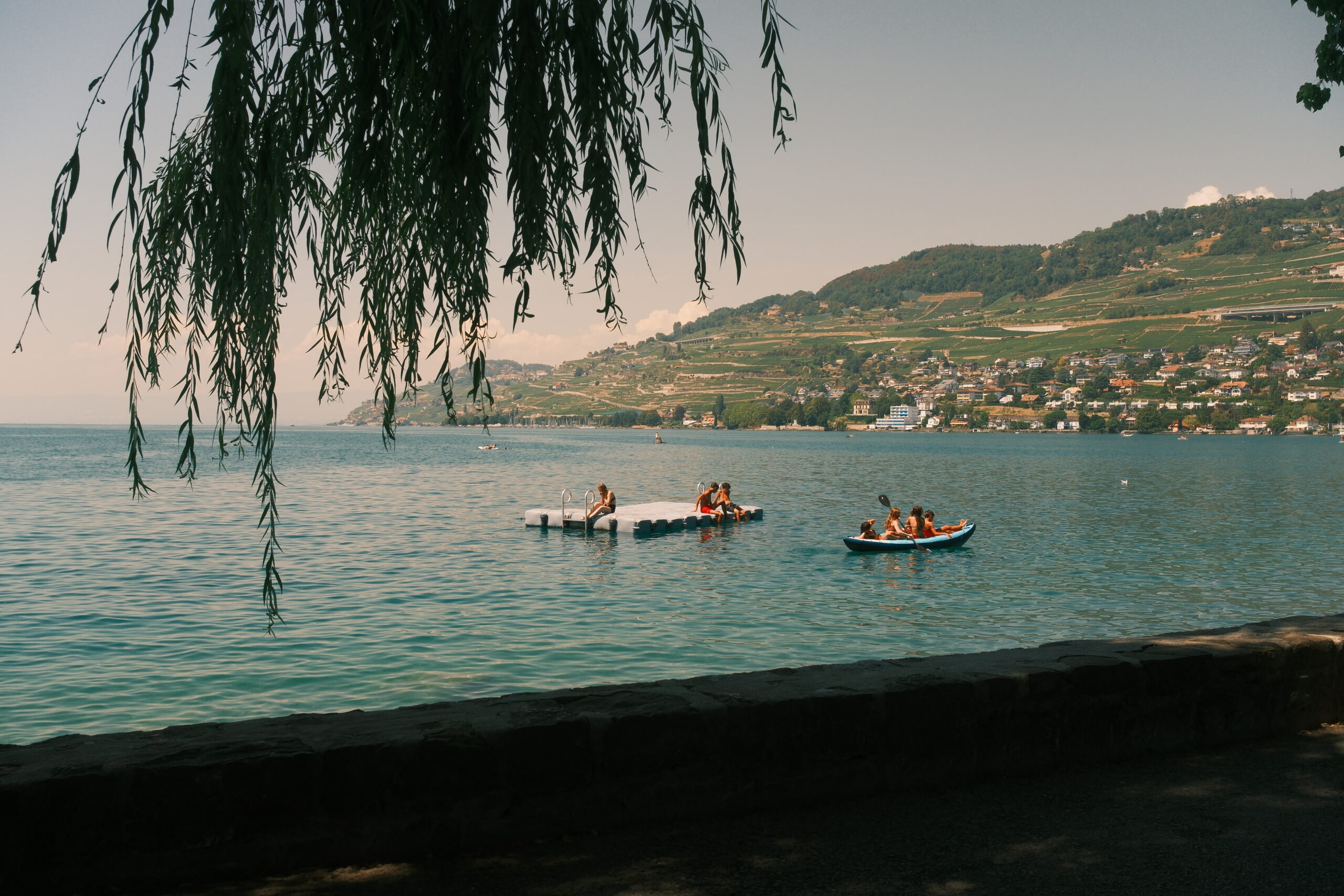
For me, Mountain Reality often fills this role.
It gives me a look I like without making every image feel heavily stylized.
You can see the full settings here:
Mountain Reality Fujifilm Recipe
This is the type of recipe I would recommend everyone has first.
Not necessarily Mountain Reality specifically, but one reliable recipe that you trust in a wide range of situations.
2. A warmer or more stylized recipe
The second slot should do something noticeably different.
For me, that is where Cinematic Gold fits.
It is warmer, more nostalgic and more obvious as a creative choice.
I do not want that look for every image.
But in the right light, especially when there is warmth already in the scene, it can completely change the mood of a photo.
You can find the full recipe here:
Cinematic Gold Fujifilm Recipe
I like having one recipe that feels more expressive because it gives me a clear alternative to my everyday look.
3. A black-and-white recipe
I also like having a monochrome option ready.
Black and white changes how I look at a scene.
Instead of thinking about color, I pay more attention to:
- contrast
- shapes
- light
- shadows
- texture
- expressions
That makes it useful as more than just another aesthetic.
My current simple option is Old Black & White:
Old Black & White Fujifilm Recipe
I am also testing a more documentary-style monochrome recipe at the moment, which I will come back to later in this article.
Why knowing the light matters more than collecting recipes
One thing I have learned is that a recipe is never completely separate from the light.
A recipe that looks great on a cloudy morning may look too warm in direct sun.
A muted recipe may suddenly become perfect in harsh midday light.
A high-contrast recipe may look dramatic in the evening but too aggressive in deep shadows.
That is why I think learning to read light is more useful than collecting more recipes.
I wrote a separate article about this for cloudy conditions:
Best Fujifilm Recipes for Cloudy Weather
The same principle applies everywhere else.
The recipe is only one part of the image.
Film simulation or recipe? A recipe is more than the film simulation itself. White balance, shadows, highlights, grain and other JPEG settings can completely change how the same base simulation looks. Read Film Simulations vs Recipes
How I decide whether a new recipe earns a custom slot
I do not want to save a recipe just because it looks good in one example online.
I want to know whether I would actually use it.
So before a recipe earns a permanent place on my camera, I try it in several different situations.
I want to see how it behaves with:
- direct sunlight
- cloudy light
- shade
- greenery
- blue skies
- skin tones
- architecture
- indoor light
- golden hour
- high-contrast scenes
I also want to know whether I keep choosing it naturally.
That is probably the biggest test.
If I have to keep reminding myself to use a recipe, I probably do not need it.
If I start reaching for it without thinking, it has probably earned its place.
The recipes I am testing now
At the moment, I am deliberately testing a few different recipes instead of immediately publishing another long list.
That gives me time to understand what they are actually good at.


Cinematic Gold
Cinematic Gold is already one of my known recipes, but I am testing it more deliberately again.
I want to pay more attention to where it works best rather than simply using it because I like the look.
I am especially looking at:
- warm evening light
- architecture
- street scenes
- skin
- autumn colors
- overcast conditions
Cuban Negative
I also want to use Cuban Negative more intentionally.
It has a very different character and I want to see whether it becomes something I genuinely reach for or whether I simply like the idea of it.
You can see the recipe here:
Cuban Negative Fujifilm Recipe
Solaris
I am also testing Solaris, a recipe from Film Sim Recipes.
The original recipe can be found here:
I am treating this as a proper test rather than immediately calling it one of my favorites.
I want to see how it performs in real conditions and whether it gives me something that my existing recipes do not.
Documentary Monochrome
For black and white, I am also testing Documentary Monochrome by Kevin Mullins.
The original recipe is here:
Documentary Monochrome by Kevin Mullins
I am particularly interested in whether it gives me a more documentary or street-focused alternative to my existing monochrome setup.
That is the type of difference I think justifies another slot.
Not just:
this recipe looks slightly different
but:
this recipe changes how I want to photograph.
Will every recipe work on your camera? Not every Fujifilm body has the same film simulations and JPEG controls. If a recipe uses a setting your camera does not have, you may need to adapt it. Check Fujifilm recipe compatibility
How long should you test a Fujifilm recipe?
I do not think one afternoon is enough.
A recipe can look amazing in exactly the right light and completely wrong the next day.
I would rather use a recipe across several outings.
Ideally, I want:
- at least a few different lighting conditions
- different subjects
- some easy scenes
- some difficult scenes
- enough images to notice patterns
You do not need thousands of photos.
Even 30 to 50 images across different situations can tell you a lot.
The important thing is variety.
Do you need all seven custom slots?
No.
Just because your Fujifilm camera gives you several custom settings does not mean you have to fill all of them.
An empty slot is not a problem.
I would rather have:
- C1: everyday
- C2: warm/stylized
- C3: black and white
and know all three really well than have seven recipes I barely remember.
You can always add more later.
My recommended setup for beginners
If you are new to Fujifilm recipes, I would start with three.
C1 — Natural / everyday
Choose something that works in many situations.
This should be the recipe you can use when you do not want to think.
C2 — Creative / warm / cinematic
Choose something that gives you a clear change in mood.
This slot should feel different from C1.
C3 — Black and white
Use this when you want to focus on shape, light and contrast.
Then stop.
Use those three for a while.
Only add a fourth recipe when you know exactly what problem it solves.
That might be:
- harsh sunlight
- night photography
- portraits
- winter
- street photography
But let the need come first.
Do not collect recipes just because you have space.
What if you shoot travel photography?
For travel, I think fewer recipes work even better.
When I am moving between trains, streets, mountains and changing weather, I do not want to keep diving into settings.
I want one reliable recipe, one alternative look and one monochrome option.
That is enough for almost everything.
You can see how I approached this in Switzerland here:
Fujifilm Recipes I Used for Switzerland Travel Photography
What if you mostly shoot JPEG?
Then knowing your recipes matters even more.
I mostly shoot Fujifilm JPEGs, which means the look I choose in-camera is often already close to the final image.
That does not mean I never edit.
It means I want the camera to do more of the creative work before I get to Lightroom.
I explain that workflow here:
Fujifilm JPEG vs RAW: Do You Still Need Lightroom?
More recipes are not automatically better
I understand why Fujifilm recipes become addictive.
They are fun.
Changing a few settings can make the same camera feel completely different.
And trying someone else’s recipe can push you toward subjects or lighting you might normally ignore.
I want to keep doing that.
But I do not think the goal should be to collect as many as possible.
For me, the goal is to find a small number of recipes that make me want to take more photos.
That is why I am testing new recipes slowly now.
If Solaris or Documentary Monochrome becomes something I genuinely use, I will keep it.
If not, that is useful too.
My current approach
Right now, I would rather have three recipes I understand deeply than ten recipes I barely know.
One everyday look.
One more expressive look.
One monochrome option.
Everything else has to earn its place.
And I think that is probably the simplest way to use Fujifilm recipes without turning them into another thing you have to manage.
Frequently asked questions