In this guide
Bright sunny weather sounds like the easiest possible condition for photography.
There is plenty of light, the sky is blue, colors are strong and you rarely have to worry about your shutter speed.
But I actually think harsh sunlight can be one of the harder conditions for Fujifilm recipes.
A recipe that looks great on an overcast day can suddenly become too warm, too saturated or too contrasty when the sun comes out.
Highlights get brighter. Shadows become deeper. Skin tones change. Greens can become almost fluorescent.
That is why I do not think there is one Fujifilm recipe that works perfectly in every sunny situation.
For me, the goal is to find a recipe that works with the light instead of fighting it.
Quick answer: my favorite Fujifilm recipes for sunny weather
If I am photographing in bright daylight, these are the recipes I would start with:
| Recipe | Best for | Look |
|---|---|---|
| Mountain Reality | Landscapes and travel | Natural, balanced |
| Cinematic Gold | Warm light and architecture | Warm, nostalgic |
| Cuban Negative | Street and stronger color | More stylized |
| Solaris | A different sunny-day look I am currently testing | Warm and characterful |
If I wanted the safest option, I would start with Mountain Reality.
If I wanted something warmer and more obvious, I would use Cinematic Gold.
And if I wanted a more stylized look, I would experiment with Cuban Negative or Solaris.
Still learning how Fujifilm recipes work? A recipe is more than the film simulation itself. White balance, highlights, shadows, color, grain and other JPEG settings all influence how the final image looks. Read Film Simulations vs Recipes
Why sunny weather can be difficult for Fujifilm recipes
The biggest problem with bright sunlight is contrast.
On a cloudy day, the light is naturally softer. Shadows are less deep and highlights are easier to control.
Direct sunlight does the opposite.
You often get:
- bright skies
- very dark shadows
- strong greens
- saturated colors
- harsh light on skin
- white buildings that easily become too bright
A recipe that already adds a lot of contrast can make this even stronger.
The same applies to warmth.
A warm white balance can look beautiful around sunset but can become too yellow or orange in the middle of a sunny afternoon.
That is why I pay much more attention to the actual light than the weather icon.
A sunny morning, harsh midday sun and golden hour are three completely different situations.
1. Mountain Reality — my safest sunny-weather recipe


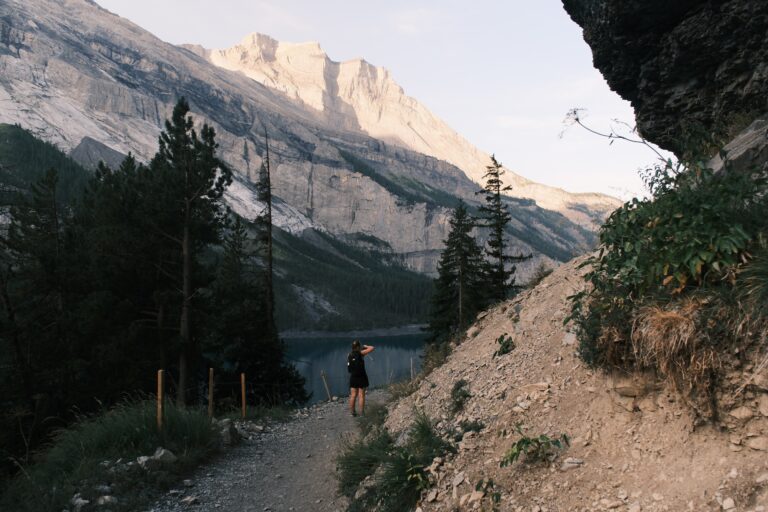
If I only wanted one recipe for a sunny travel day, I would probably start with Mountain Reality.
It is one of the recipes I keep returning to because it does not push the image too far in one direction.
That is useful in bright light.
I still want blue skies to look blue.
I want greenery to look natural.
And when I am travelling, I do not want to constantly change recipes because the light changes slightly.
Mountain Reality works well for the kind of photography I do most:
- mountains
- lakes
- streets
- architecture
- travel
- landscapes
You can find the full settings here:
Mountain Reality Fujifilm Recipe
When I would choose Mountain Reality
I would start with it when:
- the sun is strong
- there is a lot of greenery
- I want natural-looking skies
- I am moving between different types of scenes
- I do not want the recipe itself to dominate the image
It is the recipe I trust most when I simply want to go out and photograph.
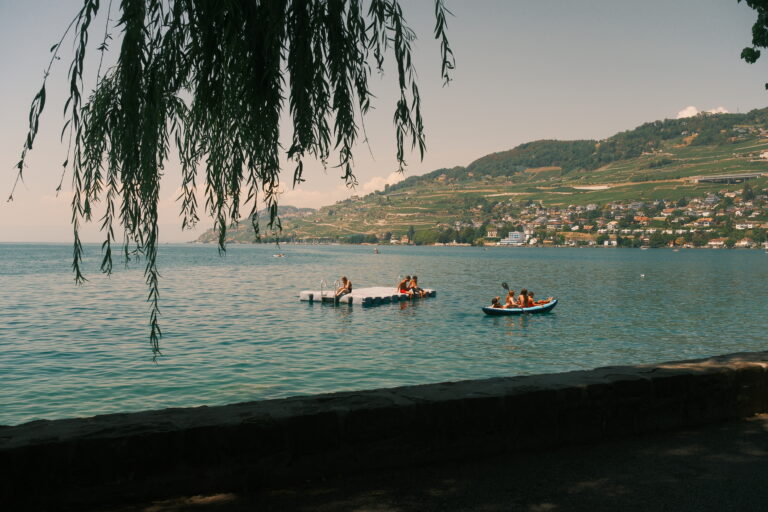
2. Cinematic Gold — better when the light already feels warm
Cinematic Gold is a much more obvious look.
It is warmer, softer in mood and more nostalgic than Mountain Reality.


That can look really good in sunshine, but I would not use it blindly throughout the entire day.
The warmer the light becomes naturally, the more I tend to like Cinematic Gold.
That makes it especially interesting:
- later in the afternoon
- around golden hour
- on warm-colored buildings
- in older streets
- when I actively want a nostalgic look
You can find the recipe here:
Cinematic Gold Fujifilm Recipe
Where I am more careful with it
In very harsh midday sun, warmth can become too much.
A scene with yellow walls, dry grass or warm skin tones may already contain plenty of warm color before the recipe does anything.
That does not mean Cinematic Gold cannot work there.
It just means I am much more selective about when I use it.
Clouds instead? The recipes I choose change quite a lot when the sun disappears. I have a separate guide comparing the looks I use when the light becomes softer and flatter. See my Fujifilm recipes for cloudy weather
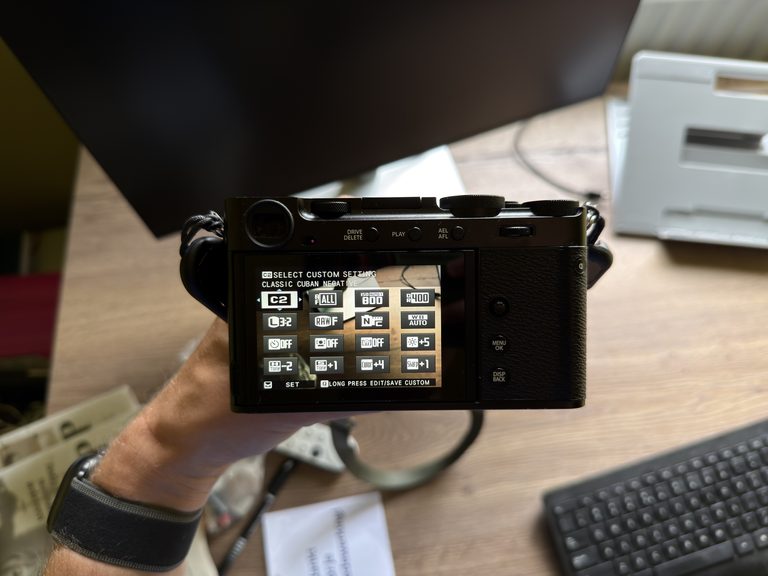
3. Cuban Negative — when I want something less neutral
Cuban Negative is one of the recipes I am spending more time with at the moment.
It is more stylized than Mountain Reality, which is exactly why I am interested in testing it in strong daylight.
Bright sun can make ordinary streets much more graphic.
You get:
- hard shadows
- bright walls
- saturated signs
- deep blue skies
- stronger separation between colors
That is the kind of light where a more characterful recipe can become interesting.


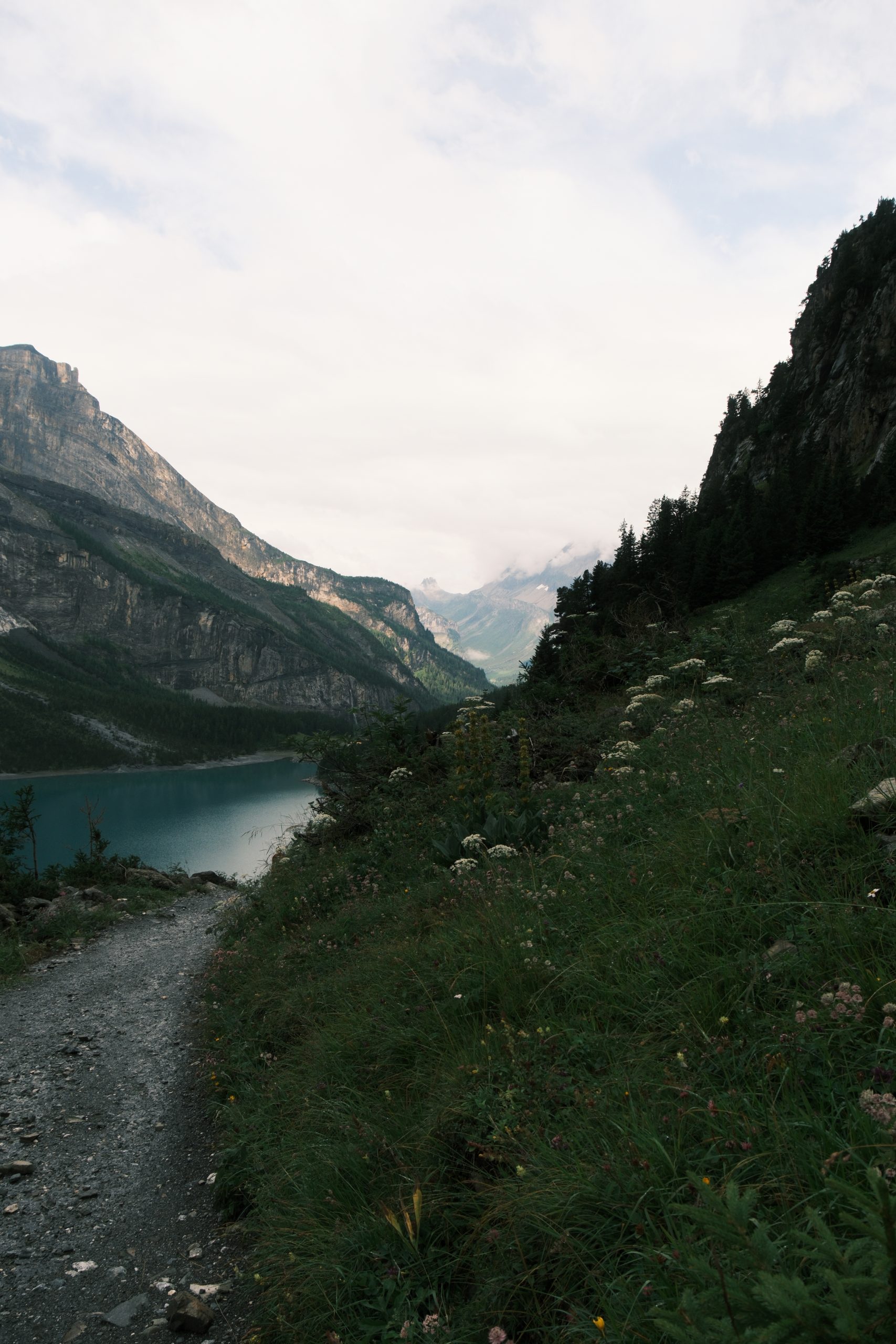
You can see my Cuban Negative settings here:
Cuban Negative Fujifilm Recipe
I am not at the point where I would call it my default sunny-weather recipe.
That is part of the reason I am testing it more deliberately now.
I want to know whether I genuinely reach for it in bright light or whether I simply like individual examples.
That distinction matters to me.
4. Solaris — a sunny recipe I am testing now
I am also testing Solaris, created by Film Sim Recipes.
You can find the original recipe here:
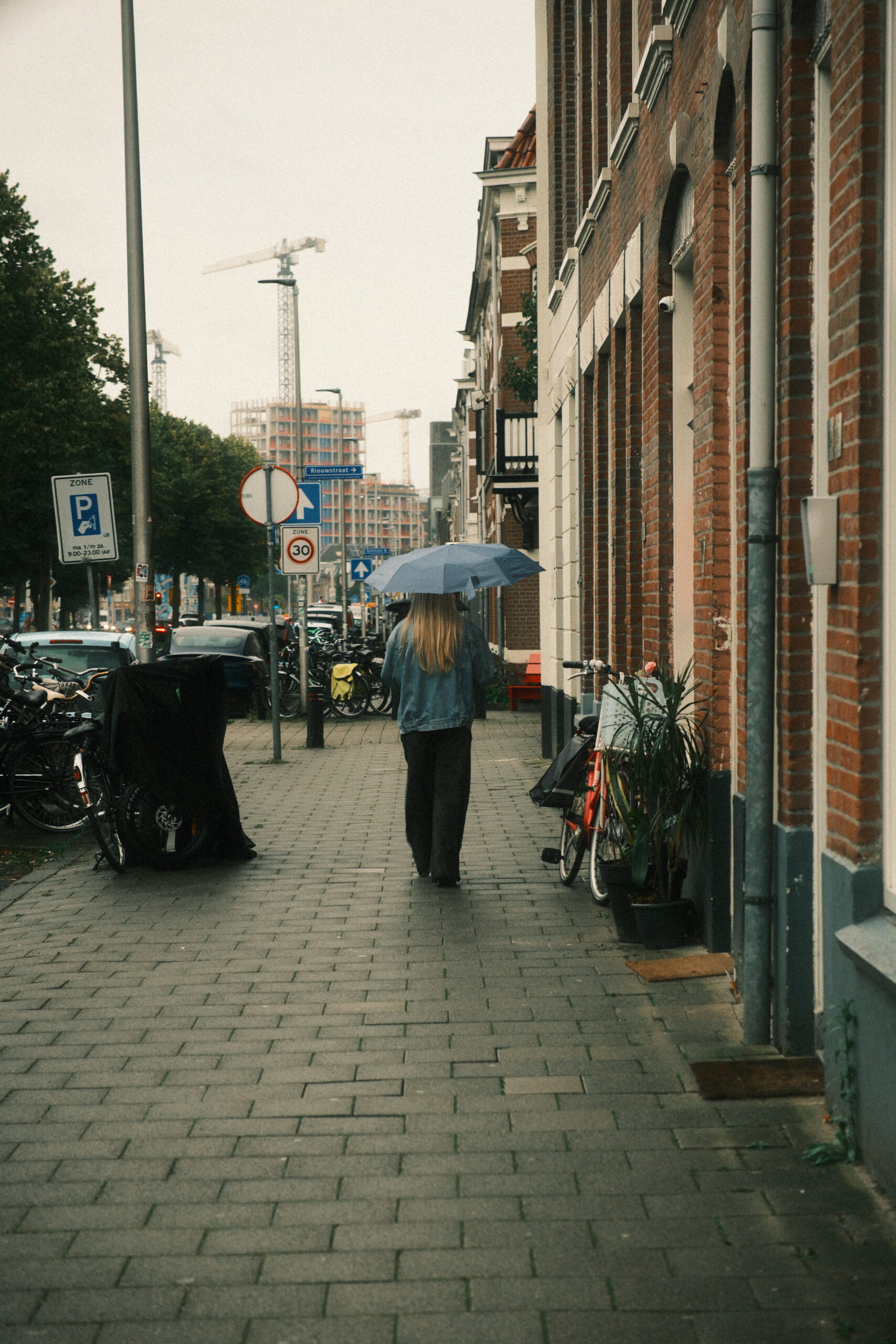
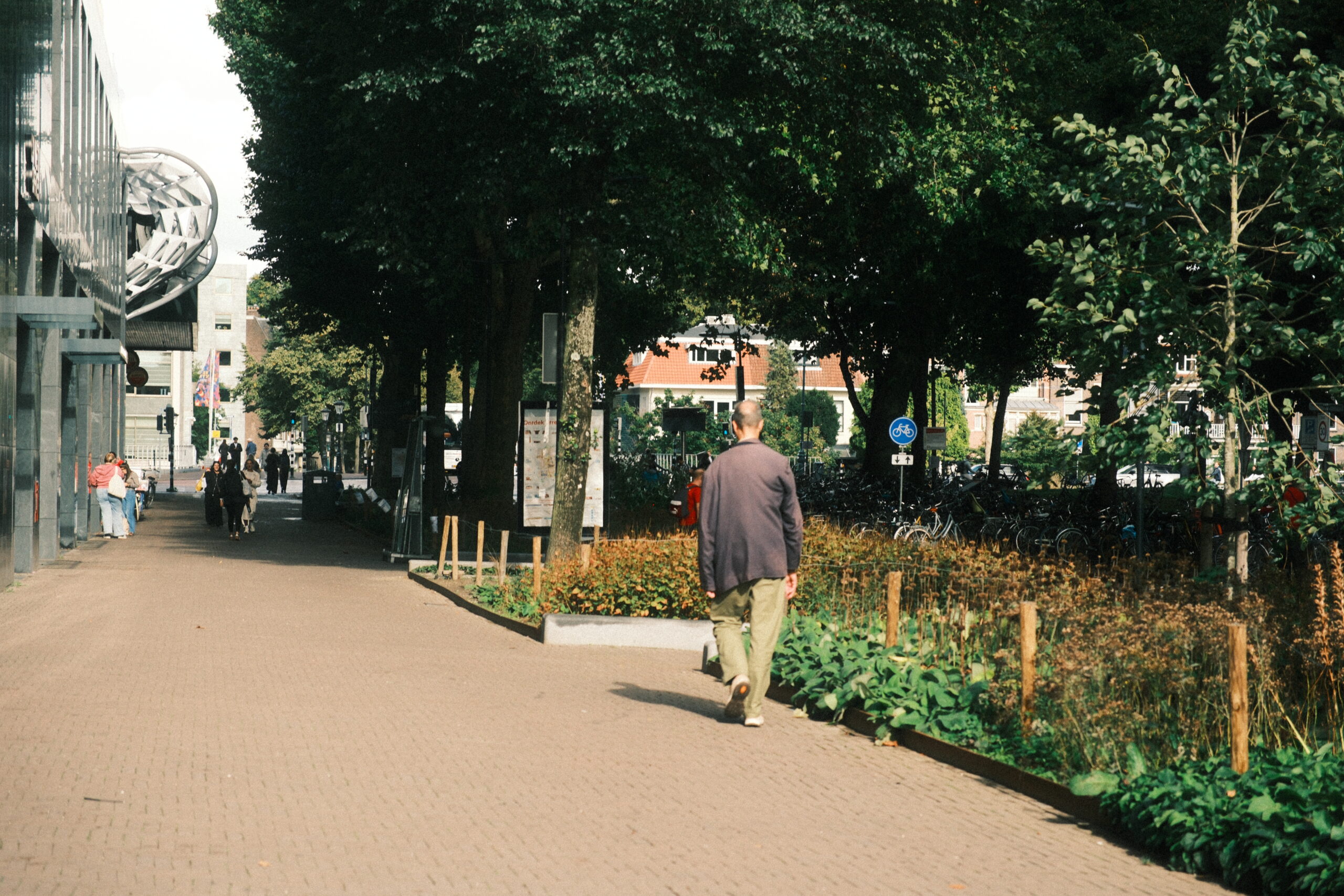
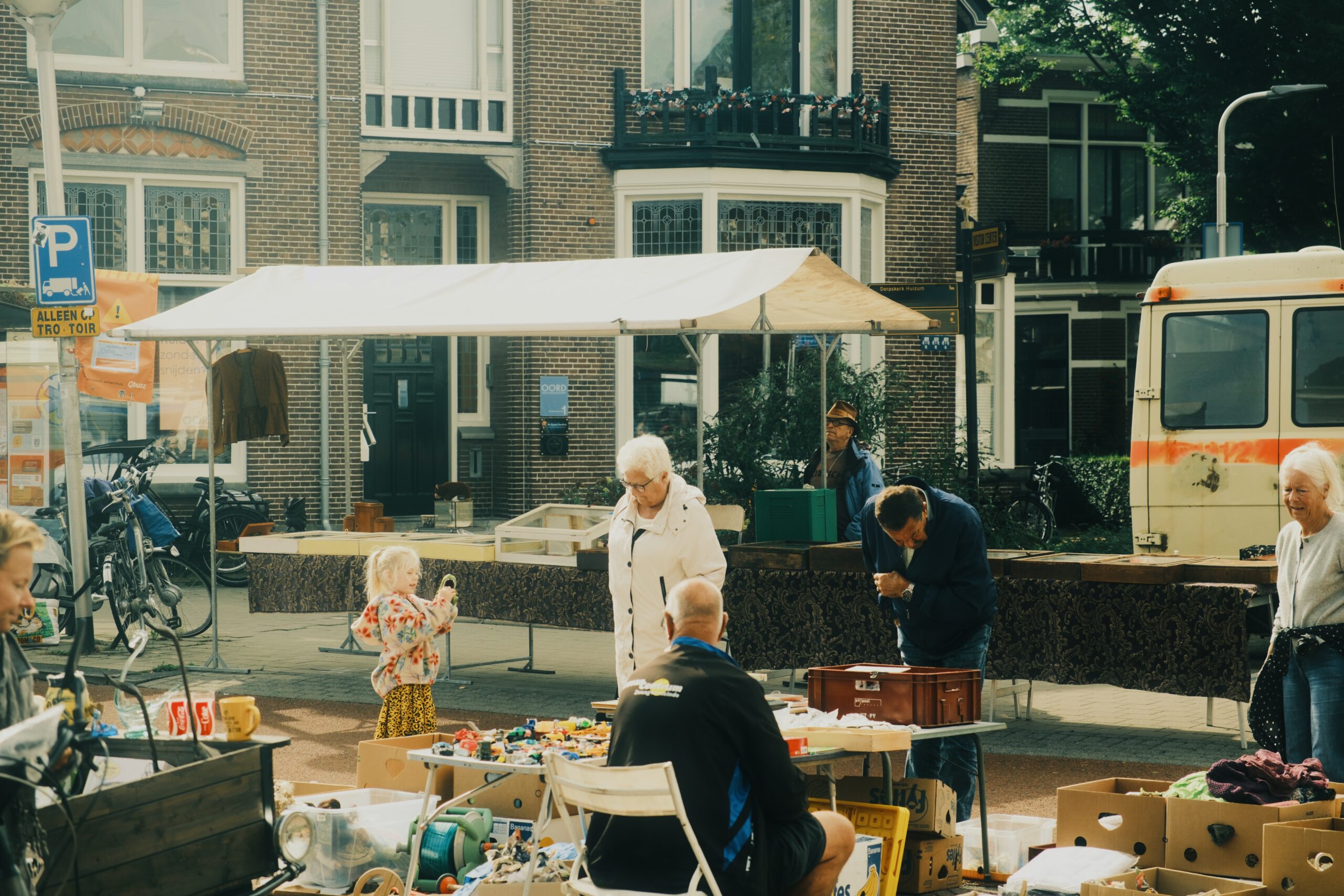
I like trying recipes made by other photographers because they sometimes push the camera in a direction I would not have chosen myself.
But I do not want to immediately call every recipe I download a favorite.
Solaris is still in that testing phase for me.
I want to use it in:
- direct sun
- hard shadows
- blue skies
- urban scenes
- greenery
- late-afternoon light
before deciding where it fits next to the recipes I already use.
That is also how I think recipes should be tested.
Not with one nice photo.
With enough different scenes that you start understanding what the recipe actually does.
How many recipes do you actually need? I do not think you need to fill every custom slot on your Fujifilm camera. I get more value from knowing a small number of recipes really well. Read how many Fujifilm recipes I actually use
The best recipe changes during the day
This is probably the most important thing.
“Sunny weather” is too broad.
The light changes constantly.
Morning
Morning sunlight can still be relatively soft.
I usually like a natural recipe here because colors already look good without much help.
My starting point: Mountain Reality.
Midday
This is the hardest part of the day.
The light is strong, shadows are deep and highlights can become harsh.
I prefer recipes that do not add too much additional contrast or warmth.
Again, Mountain Reality is usually the safe option.
This is also where I want to test Cuban Negative more.
Late afternoon
As the sun gets lower, warmer recipes become much more interesting.
This is where I am more likely to move toward Cinematic Gold.
The existing warmth in the scene works with the recipe instead of competing against it.
Golden hour
Golden hour is where I am most willing to exaggerate the mood.
Cinematic Gold makes much more sense to me here than it does at noon.
The important thing is that I do not treat “sunny” as one type of light.
What about blue skies?
Blue skies are one of the first things I look at when testing a recipe.
Some Fujifilm settings can make blues deeper or more saturated, while others give them a softer look.
A recipe can look fantastic on buildings and skin but make the sky feel completely wrong.
That is one reason I always include plenty of sky when I test a recipe outdoors.
Especially when using settings such as Color Chrome FX Blue, small changes can have a noticeable effect.
What about greenery?
Green is another useful test.
I photograph a lot of mountains, lakes and travel scenes, so a recipe that makes vegetation look strange is difficult for me to use regularly.
In strong sunlight, grass and leaves can already become extremely bright.
If the recipe pushes green too far, the image can quickly start looking unnatural.
That is one reason I like having a relatively natural option such as Mountain Reality available.
What about skin tones?
Skin is probably the fastest way to discover that a recipe does not work in a certain type of light.
Warm recipes can become especially difficult in direct sun.
That is why I do not judge a recipe only on landscapes.
If I want to keep using it for travel or street photography, I also want to see what it does to people.
Should you change the recipe when the light changes?
Sometimes.
But I do not want to constantly switch settings.
That defeats part of the reason I enjoy Fujifilm JPEGs in the first place.
I would rather know a few recipes well enough that I can quickly choose between them.
For example:
Bright and natural: Mountain Reality
Warm and atmospheric: Cinematic Gold
More stylized: Cuban Negative
Experimenting: Solaris
That is enough variety for me.
Will these recipes work on your Fujifilm? Not every Fujifilm camera has exactly the same film simulations and JPEG controls. I made a compatibility guide covering recent X-Trans cameras and what to do when a setting is missing. Check Fujifilm recipe compatibility
How I test recipes in sunny weather
I try not to judge a recipe from one scene.
For sunny conditions, I specifically look for:
- a clear blue sky
- strong green vegetation
- hard shadows
- white or light-colored buildings
- skin tones
- colorful signs or objects
- backlight
- late-afternoon warmth
If a recipe still looks good across most of those situations, I start trusting it.
If it only works in one very specific type of light, that is fine too.
But then I want to know that before giving it a permanent custom slot.
Do you need a specific recipe for sunny weather?
Not necessarily.
You can absolutely use one Fujifilm recipe for almost everything.
In fact, learning one recipe very well may be better than constantly switching.
But weather-based recipes are useful because light changes the way JPEG settings behave.
The same white balance or shadow setting can feel completely different under clouds than it does in direct sun.
So I do not think you need a dedicated “sunny recipe”.
I do think you need to know how your favorite recipe behaves when the sun comes out.
My current choice
Right now, Mountain Reality is the recipe I would trust most for a full sunny day.
It is flexible enough that I do not have to think about it constantly.
When the light gets warmer, I am much more likely to switch to Cinematic Gold.
Cuban Negative and Solaris are the two I am currently testing more deliberately in bright light.
That may change as I use them more.
And that is really the point.
I would rather change my recommendations after actually using a recipe than decide that something is “the best” because it looked good in somebody else’s sample photo.
Frequently asked questions